


You’ve likely heard about NMN. You might already be taking Resveratrol or monitoring your Vitamin D levels. But there is a missing piece in the longevity puzzle that is quietly gaining traction among top researchers and biohackers alike.
It’s called Spermidine.
Before we go any further, let’s address the elephant in the room. Yes, the name sounds awkward. And yes, it was originally discovered in semen by the Dutch scientist Antonie van Leeuwenhoek back in 1678.
But don’t let the unfortunate naming convention scare you off.
Spermidine is actually a naturally occurring polyamine found in every single cell of your body. It is also found in foods you probably eat, like aged cheese, mushrooms, and soy. Think of it not as a “supplement,” but as a biological switch. When flipped, it triggers autophagy—your body’s internal recycling system that cleans out damaged cells to make way for new ones.
In this guide, we aren’t going to sell you a magic pill. Instead, we are going to break down the science of how spermidine works, the “real math” behind getting it from food versus supplements, and whether it’s the right addition to your anti-aging stack.
What Exactly Is Spermidine? (And Why Do We Lose It?)
At its core, spermidine is a polyamine.
You don’t need a degree in biochemistry to understand why that matters. Just know that polyamines are small molecules that interact with DNA, RNA, and proteins to keep your cells functioning correctly. They are absolutely essential for cell growth and survival.
When you were young, your body produced spermidine in abundance. It was everywhere. Your tissues were saturated with it, and your cellular repair mechanisms were running at full speed.
But here is the problem: As you age, your natural levels of spermidine begin to plummet.
Research published in various longevity journals has highlighted that the decline of spermidine levels correlates directly with the onset of age-related diseases. It’s not just a coincidence. When spermidine levels drop, your cells stop “cleaning up” after themselves as efficiently. Waste accumulates. Proteins misfold. The “garbage” piles up inside the cell.
This leads to what we call cellular senescence—where cells turn into “zombie cells” that refuse to die but also stop working properly, causing inflammation in the surrounding tissue.
The goal of prioritizing spermidine—whether through a targeted diet or supplementation—is simple: to restore those youthful levels and turn the cleaning crew back on.
The Science: How Spermidine Triggers Autophagy
To understand why spermidine is exciting scientists, you have to understand autophagy (pronounced aw-to-fuh-gee).
Derived from the Greek words for “self” and “eating,” autophagy is essentially your body’s internal housekeeping service.
Imagine your cells are like a busy office. Over time, waste accumulates—damaged proteins, defunct mitochondria, and cellular debris. If the janitor goes on strike, the trash piles up. The office becomes inefficient, toxic, and eventually shuts down. In biological terms, this “trash” leads to inflammation, aging, and disease.
Spermidine is the coffee you give to the janitor.
It inhibits an enzyme called EP300 (E1A-associated protein p300), which acts as a brake on autophagy. By releasing this brake, spermidine tells the cell: “It’s time to clean up.”
[Insert YouTube Video Here: “How Autophagy Works – Animation or Dr. Explanation”]
Is It a “Fasting Mimetic”?
Here is the most compelling angle for the modern lifestyle: Spermidine mimics the effects of fasting.
We know that prolonged fasting (going without food for 16-72 hours) is one of the most potent ways to trigger autophagy. But let’s be honest—most of us cannot (or will not) fast for three days straight.
Spermidine acts as a Caloric Restriction Mimetic (CRM). It tricks your cells into a “repair mode” similar to what happens during a fast, even if you have eaten lunch. This makes it a powerful tool for those who want the longevity benefits of fasting without the constant hunger pangs.
Note: While it mimics the cellular benefits, it doesn’t replace a healthy diet. It works best alongside occasional intermittent fasting, not as a license to eat junk food.
5 Potential Benefits: Separating Mouse Hype from Human Reality
If you search for spermidine benefits, you will find wild claims. As a smart consumer, you need to know the difference between what works in a petri dish and what works in voi.
Here is what the current science says, graded by evidence level:
1. Longevity and Lifespan Extension
- The Evidence: Robust in animals; observational in humans.
- The Details: In yeast, flies, and worms, spermidine supplementation has consistently extended lifespan. A famous study published in Nature Medicine showed it extended the lifespan of mice by up to 25%. In humans, we rely on population studies. For example, research on the Bruneck Study cohort found that people with higher dietary spermidine intake had a lower mortality rate over a 20-year period.
2. Cognitive Function (The “SmartAge” Trial)
- The Evidence: Promising Human Clinical Trials.
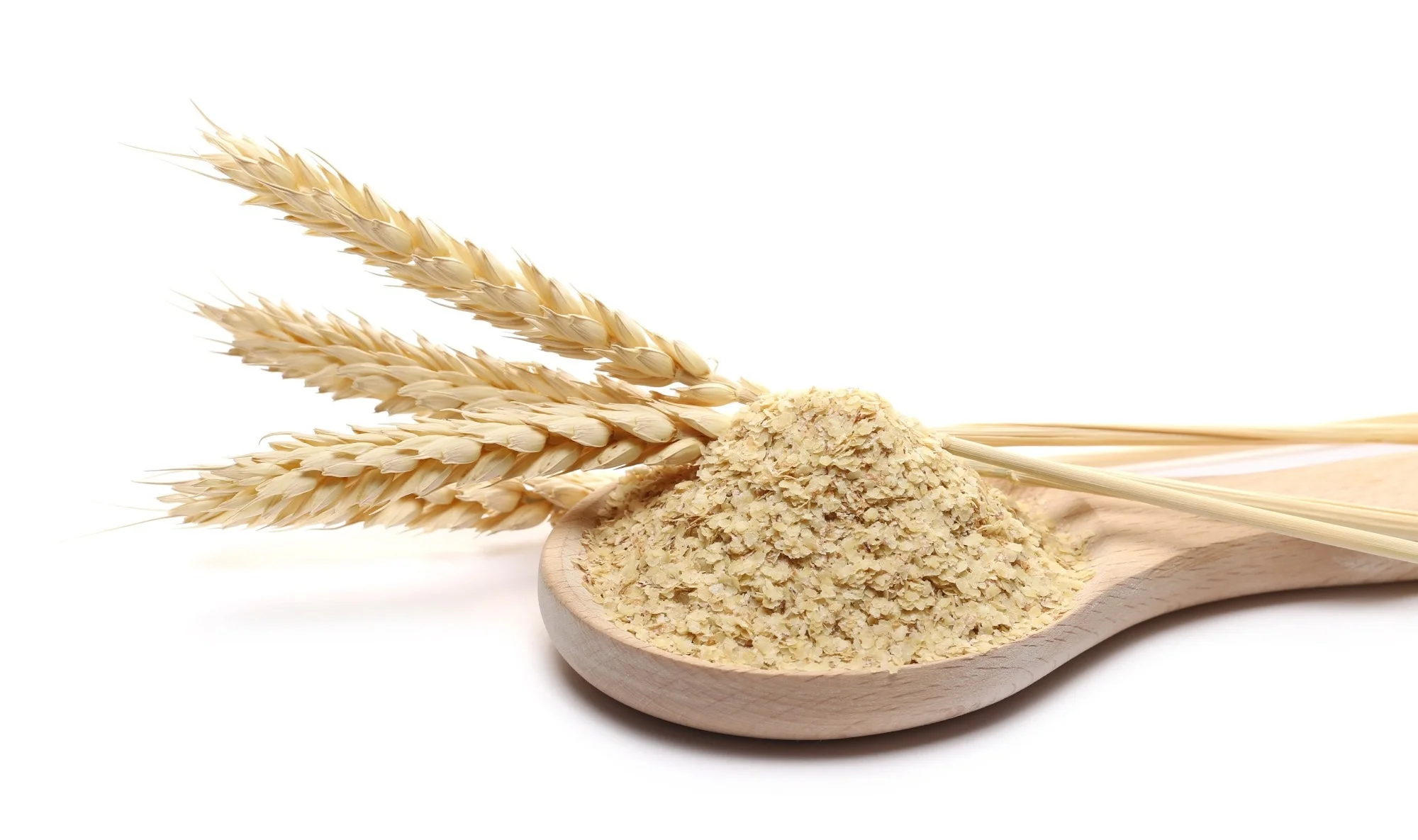
- The Details: This is where it gets exciting. A German trial known as SmartAge investigated older adults with subjective cognitive decline. The group taking wheat-germ-derived spermidine showed improvements in memory performance compared to the placebo group. It suggests spermidine might cross the blood-brain barrier and help clear amyloid plaques—the “gunk” associated with Alzheimer’s.
3. Hair Growth (Anagen Phase)
- The Evidence: Human data available.
- The Details: If you are worried about thinning hair, listen up. A study published in PLOS One found that spermidine can prolong the anagen phase (the active growth phase) of hair follicles. It effectively signals the hair follicle to keep growing rather than entering the shedding phase.
4. Cardiovascular Health
- The Evidence: Strong animal data; observational human data.
- The Details: By promoting the bioavailability of nitric oxide (NO), spermidine helps relax blood vessels and may lower high blood pressure.
5. Immune System Rejuvenation
- The Evidence: Emerging.
- The Details: As we age, our T-cells (immune defenders) get tired. Spermidine has been shown to restore the autophagy levels in T-cells, effectively “recharging” the immune system to fight off viruses more efficiently.
Foods High in Spermidine: The “Real Math” Table
Many articles simply tell you “eat wheat germ.” They don’t tell you how much you need to eat to actually make a difference.
Let’s look at the numbers. Most successful clinical trials use a dosage between 1mg and 6mg of spermidine per day. The average western diet only provides about 7–10mg per day? No, actually, the average intake varies wildly, often falling short of therapeutic levels.
Here is what you need to eat to get just 1mg of Spermidine:
| Food Source | Avg. Spermidine Content (mg/kg) | Amount Needed for 1mg | Calories (Approx) | Note |
|---|---|---|---|---|
| Wheat Germ | ~250 mg/kg | 4 grams (1 tsp) | ~15 kcal | Highest concentration. Contains Gluten. |
| Natto (Fermented Soy) | ~100 mg/kg | 10 grams | ~20 kcal | Acquired taste. High in Vitamin K2. |
| Aged Cheddar Cheese | ~20 mg/kg | 50 grams | ~200 kcal | High calorie/fat trade-off. |
| Mushrooms (Cooked) | ~10–15 mg/kg | 80–100 grams | ~30 kcal | Must be eaten regularly in bulk. |
| Green Peas | ~40 mg/kg | 25 grams | ~20 kcal | Accessible and easy to add. |
| Chicken Liver | ~50 mg/kg | 20 grams | ~35 kcal | High in Vitamin A. |
The Takeaway: If you eat a standard diet, it is actually quite difficult to reach high therapeutic doses (like the 6mg used in some studies) without overconsuming calories—unless you love Wheat Germ o Natto.
- Tip on Cooking: Good news. Spermidine is relatively heat-stable. You don’t have to eat raw soybeans. Cooking your peas or mushrooms will not destroy the molecule, unlike some fragile vitamins.
Spermidine Supplements: A Buyer’s Decision Guide
If you can’t stomach Natto or have Celiac disease (gluten allergy), supplementation is the logical next step. But the market is messy.
1. Wheat Germ Extract vs. Synthetic
- Wheat Germ Extract: The most common form. It contains other beneficial polyamines like spermine and putrescine. However, it usually contains gluten. If you are gluten-sensitive, check the label religiously.
- Synthetic / Liposomal: Often labeled as “Gluten-Free.” These are purer but lack the “entourage effect” of the whole food matrix.
2. The Dosage Question
- Maintenance: 1mg daily (often achievable with diet).
- Therapeutic: 2mg – 6mg daily (often requires supplementation).
3. Best Time to Take It
Since spermidine mimics fasting, you might think you should take it on an empty stomach. However, most experts suggest taking it with your last meal of the day or right after eating. Why? Because it helps sync your body’s circadian rhythms for the overnight repair cycle.
Is It Safe? The “Cancer Paradox” (Must Read)
We need to have a serious, nuanced conversation about safety. This is a topic many “cheerleading” articles ignore.
Spermidine is generally recognized as safe (GRAS) and is found in the food we have eaten for millennia. However, biology is rarely black and white.
The Paradox: Polyamines like spermidine are essential for cell growth.
- Prevention: In healthy tissues, spermidine triggers autophagy, which prevents cells from becoming cancerous.
- Existing Tumors: If a tumor already exists, it has a high demand for polyamines to grow rapidly.
The Verdict: Current research suggests spermidine is a powerful preventative agent. However, if you have an active malignancy or are undergoing cancer treatment, you must consult your oncologist before taking concentrated polyamine supplements. Do not guess with your health.
The “Anti-Aging Stack”: Spermidine vs. NMN
A common question on Reddit and longevity forums is: “Should I take Spermidine OR NMN?”
The answer is: They do completely different jobs.
- NMN (Nicotinamide Mononucleotide): Boosts NAD+. Think of this as “Fuel for the Engine.” It gives your cells the energy to run.
- Spermidine: Triggers Autophagy. Think of this as “Cleaning the Engine.” It removes the gunk so the engine runs smoothly.
Synergy Strategy: Many biohackers stack them. A popular protocol is to take NMN in the morning (to support circadian energy production) and Spermidine in the evening (to support overnight cellular cleaning). They are not competitors; they are teammates.
Domande frequenti (FAQ)
Q: Does spermidine cause weight loss?
A: It is not a weight loss pill. However, because it mimics the metabolic effects of fasting and may improve insulin sensitivity, it can support a healthy weight management plan alongside diet and exercise.
Q: Is spermidine safe for kidneys?
A: Currently, there is no evidence suggesting spermidine damages the kidneys in healthy individuals. In fact, some animal studies suggest autophagy may protect kidney function against aging. However, those with chronic kidney disease (CKD) should always consult a doctor.
Q: Can I get enough spermidine just from eating cheese?
A: While aged cheddar is a good source, it is also high in saturated fat and calories. Relying solely on cheese to hit a 6mg target would require eating a block of cheese a day—which is not recommended for heart health. Diversity in diet (plants + fermented foods) is key.
Conclusione
Spermidine is not just another fleeting wellness trend; it is an evolutionary mechanism for survival that we are just beginning to harness.
By flipping the “autophagy switch,” you are essentially helping your body take out the cellular trash that accumulates with age. Whether you choose to load up on wheat germ and natto (using our table above) or opt for a high-quality supplement, the goal remains the same: keep your cells clean, efficient, and youthful.
Your Next Step: Don’t rush to buy a pill. Start by auditing your diet this week. Add one tablespoon of wheat germ to your smoothie or yogurt and see how you feel. If you decide to supplement, remember the “Cancer Paradox” and prioritize safety first.

 Italian
  English
  French
  German
  Japanese
  Korean
  Russian
  Spanish
  Dutch
Dutch