


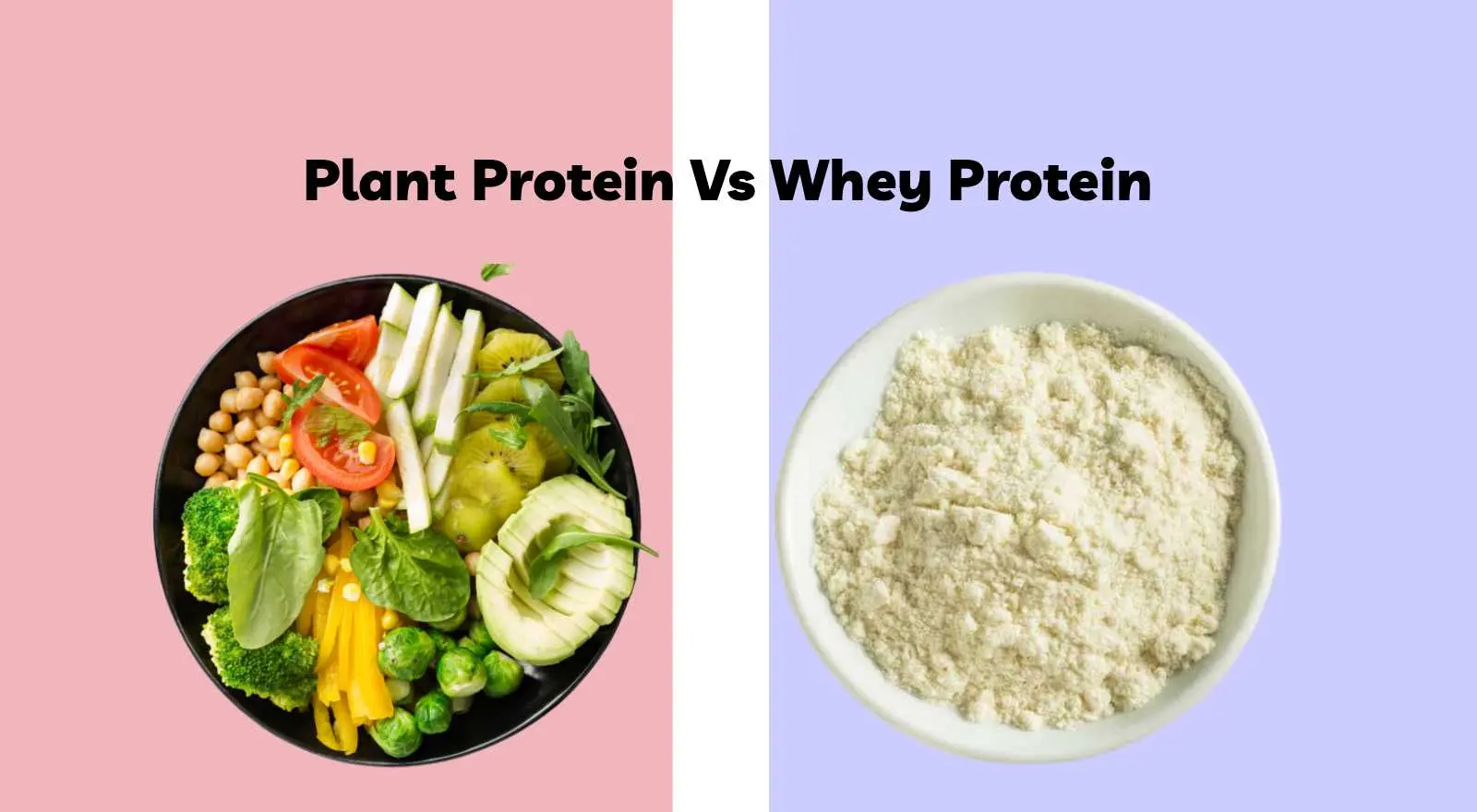
Walk into any supplement store or browse online, and you’ll face the great protein divide: the classic, dairy-derived whey on one side, and the booming category of plant-based proteins on the other. The debate is fierce, filled with scientific jargon, marketing hype, and “bro science” myths. Are you sacrificing muscle gains if you ditch whey? Is plant protein really “cleaner” and healthier?
This guide is designed to cut through the noise.
We’re moving beyond a simple “A vs. B” list of pros and cons. This is a strategic framework to help you find the optimal protein strategy for your unique body, goals, and values. We’ll journey from the hard science of muscle synthesis to the real-world impact on your digestion, your wallet, and even the planet.
The 60-Second Answer: Whey vs. Plant Protein at a Glance
Don’t have time for a deep scientific dive? We get it. You need a clear answer now. While the “best” protein powder truly depends on your individual priorities, here’s the bottom line in one simple table. Think of it as a classic trade-off: whey often wins on raw performance metrics, while plant protein excels in sustainability and digestive wellness for many.
| Feature | Whey Protein 🥛 | Plant Protein 🌱 |
|---|---|---|
| Primary Source | Derived from milk during the cheesemaking process. | Sourced from various plants like peas, rice, soy, hemp, etc. |
| Complete Protein? | Yes, it contains all 9 essential amino acids (EAAs) in high concentrations. | Varies. Soy and modern blends are complete. Others are strategically combined to create a complete profile. |
| Leucine Content | Very High. Considered the gold standard for triggering muscle protein synthesis (MPS). | Moderate to High. High-quality blends are often fortified or specifically combined to maximize leucine content. |
| Digestion Speed | Fast to Very Fast. Ideal for post-workout recovery to quickly deliver amino acids to muscles. | Slower. The presence of fiber can lead to a more sustained release, which is great for satiety. |
| Best For… | Athletes and gym-goers prioritizing maximum muscle growth and rapid recovery. | Vegans, individuals with lactose intolerance or dairy sensitivity, and those focused on environmental impact. |
| Potential Downsides | Can cause digestive issues (bloating, gas) in lactose-sensitive individuals. Sourcing from factory farming. | Can have a gritty or earthy taste. Quality control is critical to avoid potential contaminants like heavy metals. |
| Environmental Impact | Higher. Dairy farming requires significant water, land, and produces more greenhouse gases. | Lower. Plant sources generally have a much smaller carbon and water footprint. |
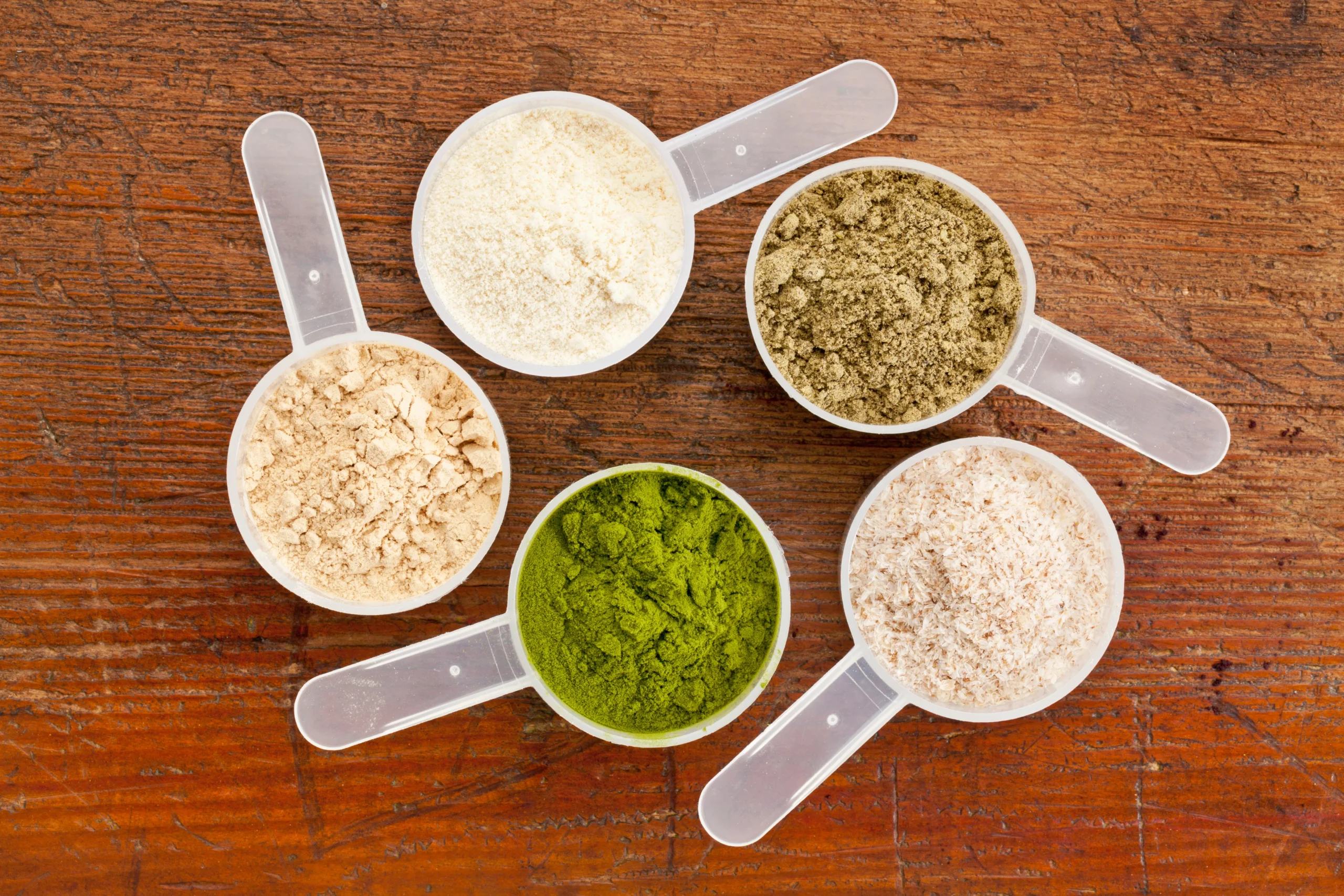
The Performance Test: Which Protein Is Scientifically Better for Muscle Growth?
This is the million-dollar question for anyone serious about their fitness: will switching to plant protein compromise my gains? Let’s look at the science, not the marketing.
How Do Their Amino Acid Profiles Stack Up?
Muscle growth isn’t just about total protein; it’s about the specific building blocks, the Essential Amino Acids (EAAs). The most critical of these for muscle synthesis is leucine. It acts like a key turning on the ignition for muscle repair and growth.
This is where whey has a natural advantage. It’s one of the richest known sources of leucine. However, the plant protein industry has evolved. Modern plant protein blends, typically combining sources like pea (high in lysine) and brown rice (high in methionine), are specifically engineered to offer a complete EAA profile that rivals whey.
Here’s how they compare head-to-head (values are approximate per 25g protein serving):
| Amino Acid Profile | Whey Protein Isolate | Pea + Rice Protein Blend |
|---|---|---|
| Leucine | ~2.7g | ~2.0g – 2.5g |
| BCAAs (Total) | ~5.8g | ~4.5g – 5.0g |
| Complete EAA? | Yes | Yes |
As you can see, while whey still leads, the gap is much smaller than you might think.
What Does Clinical Research Say About Real-World Results?
Okay, a spreadsheet of amino acids is one thing, but what happens when real people lift weights? The evidence is compelling.
A landmark 2021 meta-analysis published in Nutrients reviewed multiple clinical trials. The conclusion was clear: when total protein intake is sufficient, there is no significant difference in muscle strength or lean mass gains between those consuming animal protein (like whey) and those consuming plant protein.
The verdict? Your body doesn’t really care if the leucine came from a cow or a pea, as long as it gets enough to kickstart the muscle-building process.
The Wellness & Digestion Audit: Which Is Better for Your Overall Health?
Protein isn’t just for muscles; it’s for total-body wellness. Here’s how the two sources impact your system beyond the gym.
Why Does Whey Sometimes Cause Bloating and Acne?
The infamous “whey bloat” is a real phenomenon for many. As the Cleveland Clinic explains, the culprit is rarely the protein itself but the lactose (milk sugar) present in less filtered forms.
- Whey Concentrate: The most common and affordable form, but it contains the most lactose.
- Whey Isolate: Further filtered to remove most lactose and fat, making it a much safer bet for sensitive stomachs.
- Whey Hydrolysate: Pre-digested for the fastest absorption and is virtually lactose-free, but also the most expensive.
For some, even isolate can cause issues due to a sensitivity to milk proteins themselves, which can sometimes be linked to inflammatory responses like acne.

Does Plant Protein Offer Extra Health Perks?
Yes. Unlike whey, which is an isolated protein, plant protein powders often bring along some of the plant’s other beneficial compounds. This can include:
- Dietary Fiber: Great for gut health and promoting satiety.
- Micronutrients: Many plant proteins are rich in iron, magnesium, and zinc.
- Phytonutrients: Plant compounds that can have antioxidant and anti-inflammatory properties.
How Do We Navigate the Risks of Allergens & Contaminants?
No source is perfect. Whey is a major allergen for those with milk allergies. Soy is another common allergen.
A more publicized concern for plant proteins is the potential for heavy metal contamination, as plants can absorb them from the soil. While this is a valid concern, it’s a quality control issue, not an inherent flaw. You can mitigate this risk by choosing brands that are third-party tested by organizations like NSF International or Informed Choice, which verify purity and screen for contaminants.
The Practical Decision: Comparing Cost, Taste, and Environmental Impact
Science is crucial, but these real-world factors are often the tie-breakers.
Is Plant Protein Always More Expensive? A True Cost Analysis.
On the surface, a tub of plant protein is often more expensive. But let’s get smarter with our math.
- Standard Cost:
(Price of Tub) / (Grams of Protein per Tub)= Cost per gram of protein. - Performance Cost:
(Price of Tub) / (Grams of Leucine per Tub)= Cost per gram of leucine.
When you run the numbers, you might find that a high-leucine plant blend offers better “performance value” than a cheap whey concentrate.
Which One Actually Tastes and Mixes Better?
Historically, whey has been the undisputed champion of taste and mixability. Early plant proteins were known for being gritty and having an earthy aftertaste.
However, technology has advanced. Modern plant proteins use techniques like ultra-fine milling and natural flavor systems (like monk fruit or stevia) to create a much smoother, more palatable experience. It’s still a matter of personal preference, but the gap has closed significantly.
What Is the Environmental Price of Our Protein Shake?
This is where plant protein has an undeniable and significant advantage. A comprehensive 2018 study in Science by Poore & Nemecek highlighted the massive difference. Producing dairy-based protein requires vastly more land, consumes more water, and generates significantly more greenhouse gas emissions than producing plant-based proteins like those from peas or soy. If sustainability is a key value for you, the choice is clear.
Advanced Strategy: The “Why Not Both?” Approach to Protein
The entire debate is framed as “Vs.” What if the smartest approach is “And”? Leveraging the unique strengths of each protein at different times can create a superior strategy.
- Post-Workout: A fast-digesting Whey Isolate shake to flood your muscles with leucine and kickstart recovery immediately.
- Meal Replacement Smoothie: A Plant Protein Blend with its fiber and slower digestion is perfect for a breakfast or lunch smoothie to keep you full and provide sustained energy.
- Before Bed: A slow-digesting protein like Casein (another milk protein) or a thick Plant Protein can help prevent muscle breakdown overnight.
This “protein rotation” strategy gives you the best of both worlds: peak performance when you need it and sustained, fiber-rich nutrition for overall wellness.
Your Final Action Plan & Checklist
Feeling clear? Let’s put it all together to make your final choice. Follow this simple decision tree.
- Is your #1, non-negotiable goal maximizing muscle synthesis with the fastest-acting protein, and you have no issues with dairy?
- → Go for Whey Protein Isolate.
- Are you vegan, lactose intolerant, have a dairy sensitivity, or is environmental impact a top priority for you?
- → Go for a high-quality Plant-Based Blend (Pea + Rice is a great start).
- Are you looking for a balanced approach for both gym performance and overall wellness, and are open to using different tools for different jobs?
- → Adopt the “Why Not Both?” strategy. Use whey for recovery and plant protein for meals.
Before you buy, run through this Pre-Purchase Checklist:
- [ ] Protein per serving: Is it at least 20-25g?
- [ ] Leucine content: Can you find the BCAA information?
- [ ] Sweeteners: Is it sweetened with something you’re happy with (e.g., stevia vs. sucralose)?
- [ ] Third-Party Testing: Does it have a seal from NSF, Informed Choice, or a similar lab?
- [ ] Cost per Gram: Have you done the quick math to ensure good value?
Frequently Asked Questions (FAQ)
1. Which is better for weight loss, whey or plant protein?
Both are effective. The key is their ability to promote satiety (fullness). Plant protein’s fiber content may give it a slight edge in keeping you full for longer.
2. Can you get big with just plant protein?
Absolutely. As long as you consume enough total protein to meet your goals and choose a complete source, studies show you can build muscle just as effectively.
3. Is whey protein inflammatory?
For people with a milk allergy or sensitivity, yes, it can be. For most people, there is no strong evidence that whey is inherently inflammatory.
4. How do I make plant protein taste better?
Mix it in a blender (not a shaker cup) with a creamy base like almond milk or a banana, and add a source of healthy fat like a spoonful of almond butter. This dramatically improves texture.
5. Is it okay to take protein powder every day?
Yes, for most healthy individuals, it’s safe to use protein powder daily as a supplement to a balanced, whole-foods diet. It’s a tool to help you meet your protein goals, not a replacement for real food.

 English
  French
  German
  Italian
  Japanese
  Korean
  Russian
  Spanish
  Dutch
Dutch